460 Greentree Rd Building 1, Sewell, NJ 08080
825 S Delsea Dr #9b, Vineland, NJ 08360


Get Started
Try Out Personal Training in Sewell
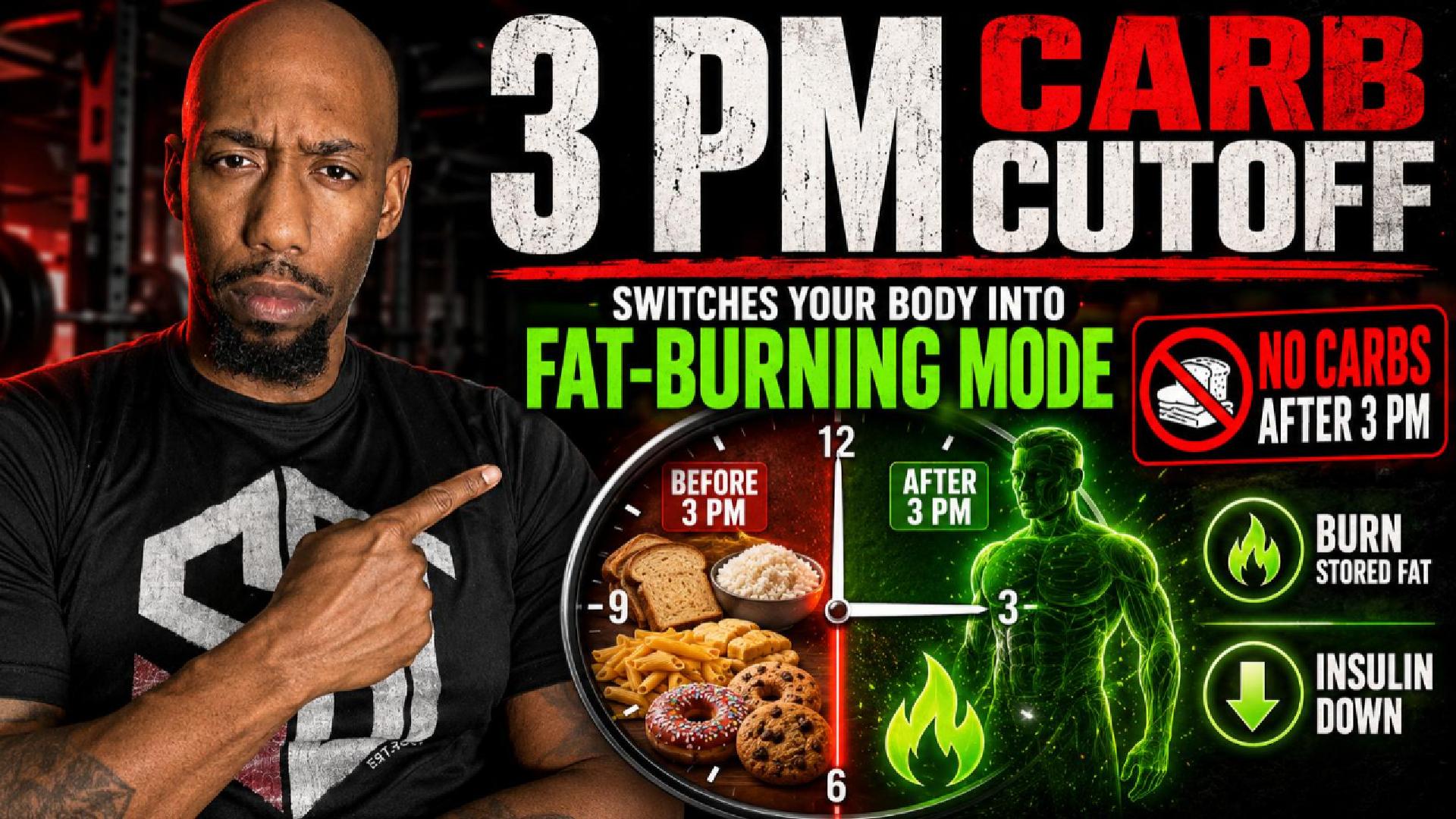
3 PM Carb Cutoff That Puts Your Body in Fat-Burning Mode
3 PM Carb Cutoff That Puts Your Body in Fat-Burning Mode
Many people train consistently, sweat through difficult workouts, and try to make better food choices, yet still struggle to reduce body fat.
The problem may not always be a lack of effort.
For some people, the real challenge is an eating schedule filled with carbohydrates, snacks, sugary drinks, and convenience foods from morning until bedtime. Breakfast is followed by another snack, then lunch, an afternoon pick-me-up, dinner, and something else while watching television.
This constant access to food can make it difficult to control total calorie intake and create a consistent routine.
The Supreme 3 PM Carb Cutoff Protocol provides a simple structure: use carbohydrates earlier in the day, stop eating them after 3 PM, eat a final protein-focused meal at 6 PM, and give your body a longer break from food overnight.
It is not another cleanse, detox, or crash diet. It is a timing strategy designed to create consistency.
Why Eating All Day Can Slow Your Progress

Busy schedules make convenience food easy to rely on.
Someone may grab breakfast on the way to work, snack during meetings, eat lunch at their desk, reach for something sweet in the afternoon, eat dinner late, and continue grazing at night.
Even when each choice appears small, those eating occasions can add up.
The issue is not that eating a carbohydrate automatically creates body fat. Carbohydrates are an important source of energy, especially for people who train, work physically demanding jobs, or remain active throughout the day.
The larger problem is often that frequent eating creates more opportunities to consume calories without noticing how much has been eaten.
A defined cutoff time can remove some of those decisions and help prevent unplanned late-day snacking.
Understanding “Fat-Burning Mode”

The phrase “fat-burning mode” should not be interpreted as an instant metabolic switch that turns on at exactly 3 PM.
The body continually uses a combination of carbohydrates and fat for energy. Changing the timing of carbohydrate intake may influence which fuel is used at different points during the day, but daily fat loss still depends on the overall pattern of food intake, activity, recovery, and consistency.
Research into early time-restricted eating has produced promising but mixed results. Some controlled trials have reported improvements in insulin sensitivity, appetite, blood pressure, or weight when participants ate within an earlier daily window.
However, other randomised trials found that time-restricted eating did not produce meaningfully greater weight loss than a regular meal schedule or calorie restriction when the overall diet was similar.
This means the 3 PM Carb Cutoff should be viewed as a practical structure that may help someone control their eating, not as a guarantee that carbohydrates eaten after 3 PM will automatically be stored as fat.
Step 1: Use the Morning Through 3 PM as Your Fuel Window
The first part of the protocol is the fuel window.
From the morning until 3 PM, carbohydrates may be included alongside protein, vegetables, and other nutritious foods.
Carbohydrate options may include:
Rice, potatoes, oats, beans, whole grains, and fruit.
The goal is to place more of your carbohydrate intake during the part of the day when you are generally more active and more likely to use that energy for work, training, walking, and daily responsibilities.
This does not mean eating unlimited carbohydrates before 3 PM. Portions, food quality, protein intake, and total daily calories still matter.
Step 2: Stop Carbohydrates at 3 PM
Once the clock reaches 3 PM, the protocol removes major carbohydrate sources for the remainder of the day.
That means avoiding foods such as bread, rice, pasta, desserts, sugary drinks, and carbohydrate-heavy afternoon snacks.
This creates a clear boundary.
Instead of negotiating with yourself every evening, the decision has already been made. The cutoff may also help reduce the common pattern of eating a full dinner and then continuing to snack for several hours afterward.
The real value is not that 3 PM is a magical time. The value is that the rule is simple enough to remember and repeat.
Step 3: Eat Your Final Meal at 6 PM
The final meal is eaten around 6 PM and should focus primarily on protein, vegetables, and an appropriate source of dietary fat.
Examples may include chicken, fish, turkey, lean beef, eggs, or a protein shake.
These can be combined with vegetables and foods such as avocado, nuts, seeds, or another suitable fat source.
The meal does not need to be complicated. A simple structure makes the plan easier to follow consistently.
Protein is also especially important for members who are lifting weights and trying to maintain or develop muscle while reducing body fat.
Step 4: Shut Down Eating After 6 PM
After the final meal, eating stops for the evening.
Water, unsweetened tea, or black coffee may be used, provided they do not interfere with sleep or individual health needs.
This means no late-night grazing, no picking at food while preparing meals for the next day, and no snacks while watching television.
By finishing dinner earlier, someone may naturally create a longer overnight period without caloric intake.
Some early time-restricted eating studies have found benefits from shortening the daily eating window, but the results vary depending on the participants, eating schedule, calorie intake, and length of the study.
Step 5: Adjust the Structure on Weekends
Weekends often disrupt routines because people wake up later, attend social events, or eat meals at different times.
The protocol allows a weekend adjustment:
The eating window may move from approximately 1 PM to 7 PM, carbohydrates stop at 4 PM, and the final meal is eaten by 7 PM.
The goal is not perfection. The goal is to maintain enough structure that the entire weekend does not become an uncontrolled break from the plan.
However, people who train early, perform evening workouts, work night shifts, or have different medical and nutritional needs may require a different schedule.
Step 6: Combine the Protocol With Cardio and Strength Training
Meal timing cannot replace movement.
The protocol recommends approximately 30 to 45 minutes of cardiovascular exercise three to six times per week, depending on the person’s fitness level and recovery.
This may include walking, incline treadmill work, cycling, or another manageable form of cardio.
Strength training should also remain part of the plan. Lifting weights helps members work toward improved strength, fitness, and muscle retention while losing weight.
The best exercise plan is not necessarily the most complicated one. It is the plan someone can perform safely and consistently.
Carbohydrates Are Not the Enemy
It is important not to turn this protocol into a fear of carbohydrates.
Research examining early carbohydrate restriction has shown that changing carbohydrate timing can be a feasible strategy, but it does not necessarily provide greater metabolic benefits than a well-structured conventional diet.
Carbohydrates can support exercise performance, recovery, and daily activity. The type, amount, timing, and overall diet all matter.
The purpose of the cutoff is to create control around eating, not to suggest that one serving of rice after 3 PM immediately stops fat loss.
Why the Structure May Work
For many people, the greatest benefit of this protocol may be behavioural.
It creates fewer daily eating decisions, reduces opportunities for evening snacking, encourages meal planning, and gives members a clear routine to follow.
Some people may also consume fewer calories simply because they are eating during a shorter window. In one time-restricted feeding trial, participants reduced their daily energy intake even though they were not specifically instructed to count calories.
The unspoken truth is that a cutoff only works when it improves consistency. Someone can still consume more energy than they need before 3 PM, just as someone can successfully lose body fat while eating carbohydrates later in the day.
The clock is a tool. It is not the entire solution.
Tracking Progress Beyond the Scale

When following a structured nutrition and training programme, progress should not be judged only by body weight.
Members should also monitor:
Waist and body measurements, body-fat trends, strength, workout performance, clothing fit, energy levels, and visible changes in body shape.
The Supreme Body Training 3D Body Scan can help members compare changes in their shape and measurements over time.
This is especially valuable when someone is lifting weights because improved body composition may not always produce a dramatic weekly change on the scale.
Consistency Creates the Opportunity for Change
The 3 PM Carb Cutoff Protocol is not about starving yourself.
It is about establishing a clear eating routine and following it long enough to evaluate whether it works for your lifestyle.
One inconsistent day does not destroy progress, but repeatedly abandoning the structure every evening or weekend will make it difficult to assess the plan fairly.
Follow the eating schedule, prioritise protein, lift weights, complete the cardio programme, sleep adequately, and track multiple signs of progress.
As the message behind the protocol says:
“Information does not change your body. Action does.”
A Message for the Supreme Warriors Community
If you have been starting over every Monday, trying one diet after another, and working hard without seeing the results you expected, you may need more than another list of foods.
You may need structure, accountability, and a plan that fits your routine.
The 3 PM Carb Cutoff is one strategy that can help create that structure. It is not the only way to lose body fat, and it may not be appropriate for everyone. People managing diabetes, taking glucose-lowering medication, pregnant individuals, or anyone with a history of disordered eating should speak with a qualified healthcare professional before using a restrictive eating window. Similar groups have often been excluded from major time-restricted eating trials, which limits how confidently those results can be applied to them.
At Supreme Body Training, we help members combine nutrition, strength training, cardio, progress tracking, and accountability into one clear programme.
Are you ready to reset your routine?
Comment RESET, visit SupremeBodyTraining.com, or click the link below to learn how Supreme Body Training can help you get started.

Come Visit Our Gym
460 Greentree Rd Building 1, Sewell, NJ 08080
Come Visit Our Gym
825 S Delsea Dr #9b, Vineland, NJ 08360

Copyright ©2025 Supreme Body University | All Rights Reserved
This site is not a part of Facebook or Facebook Inc. Additionally, this site is NOT endorsed by Facebook in any way.